Top Reasons to Choose Ceramic Pro for Car Paint Protection

Best Car Washing Practices After Ceramic Pro Application

Top Reasons to Choose Ceramic Pro for Car Paint Protection | Ceramic Pro India

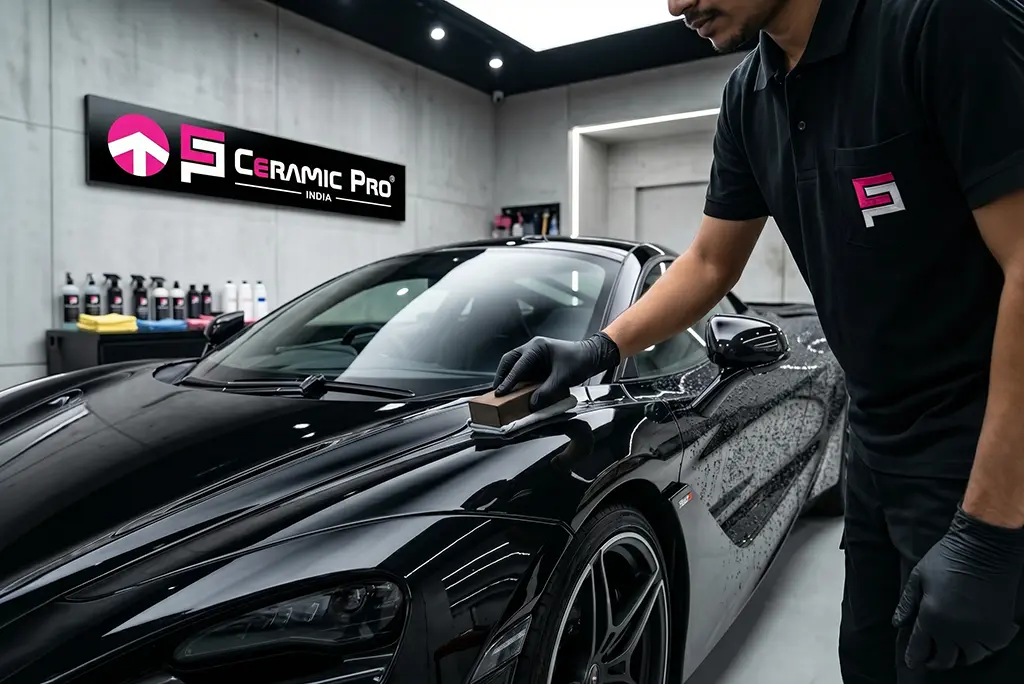
Protecting a vehicle’s exterior is an important part of long-term ownership. Daily exposure to sunlight, dust, road contaminants, bird droppings, and environmental pollutants can gradually affect a vehicle’s paint finish. This is why many vehicle owners consider professional Car Paint Protection solutions.

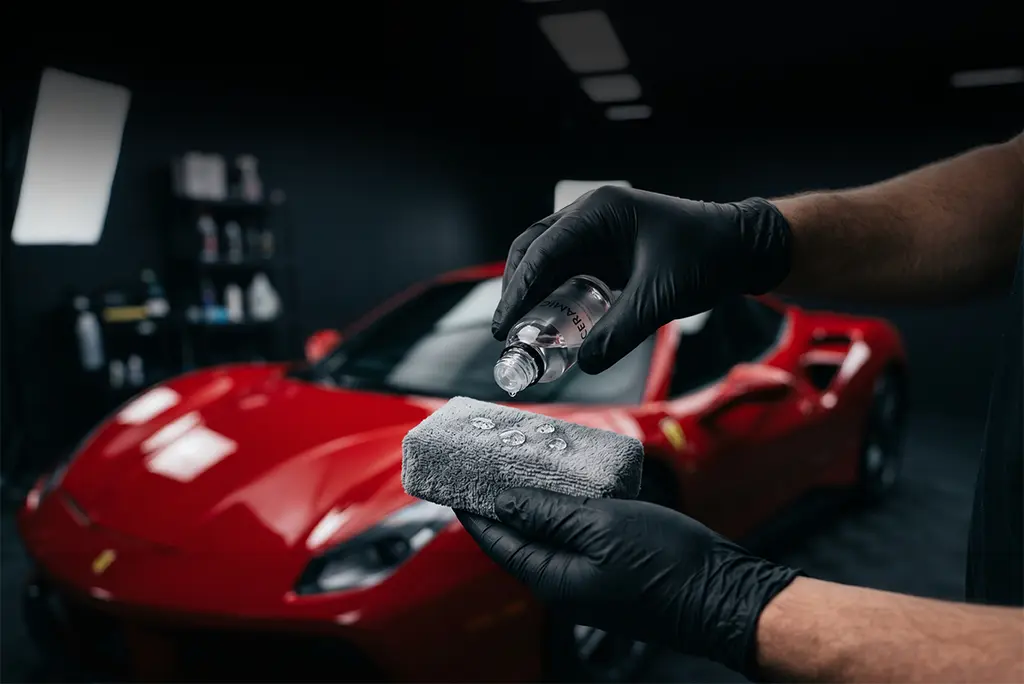
Among the available options, Ceramic Pro is widely used for protecting automotive paint surfaces. It is designed to create a protective layer that helps maintain the vehicle’s appearance while supporting easier maintenance.

What Is Ceramic Pro?

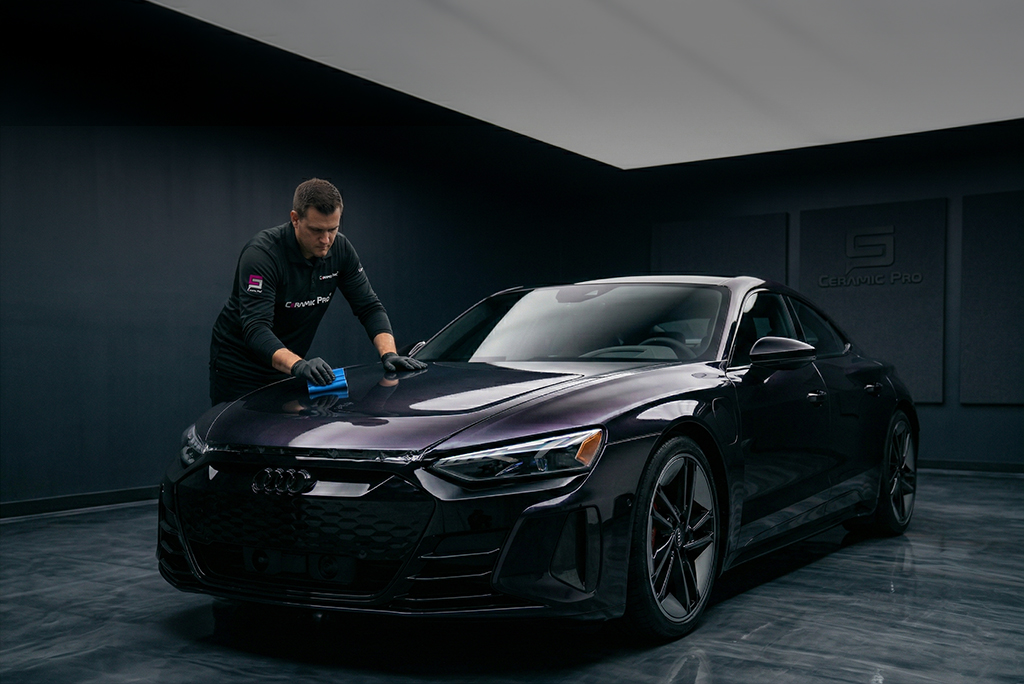
Ceramic Pro is a ceramic coating system that is applied to a vehicle’s painted surfaces. Once cured, it forms a durable protective layer that bonds with the paint.

The coating is designed to help reduce the direct impact of environmental contaminants on the vehicle’s finish while preserving surface gloss and cleanliness.

Protection Against Environmental Contaminants

One of the primary reasons vehicle owners choose Car Paint Protection is to reduce exposure to everyday contaminants.

Vehicles are regularly exposed to:

  • Dust and dirt
  • Bird droppings
  • Tree sap
  • Road grime
  • Industrial fallout
  • Water spots

A ceramic coating creates a protective barrier between the paint and these contaminants, making surface maintenance more manageable.

Enhanced Water Repellency

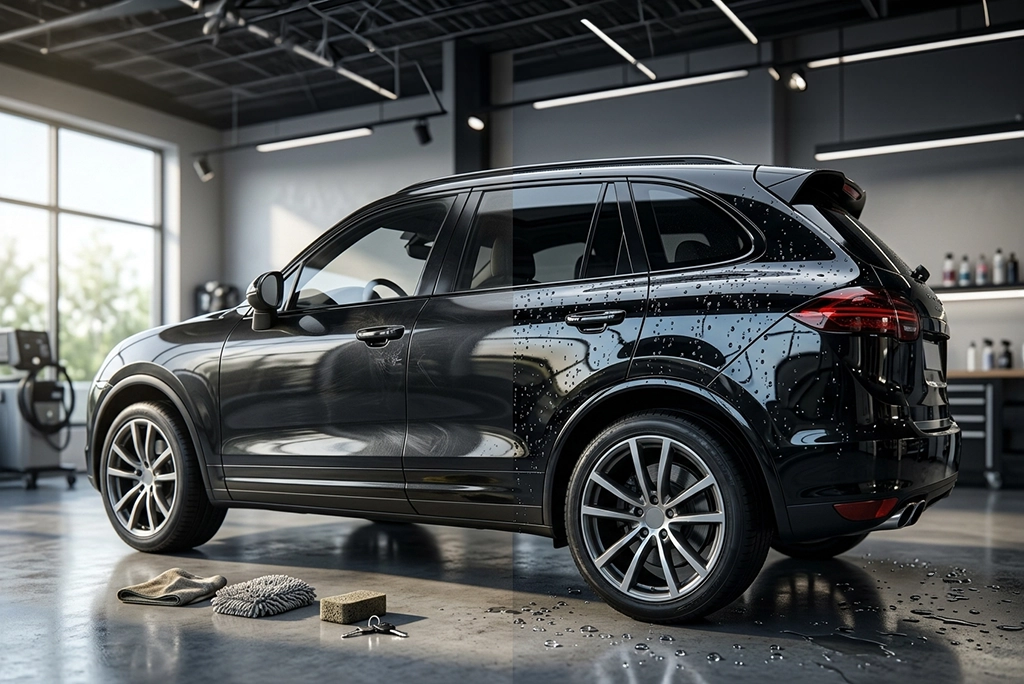
A key characteristic of Ceramic Pro is its hydrophobic effect.

This means water tends to bead and roll off the surface more easily. Along with water, dirt and other loose contaminants can also be removed more efficiently during washing.

This property helps simplify routine cleaning and contributes to maintaining a cleaner vehicle exterior.

UV and Oxidation Resistance

Continuous exposure to sunlight can affect automotive paint over time.

Ultraviolet (UV) radiation may contribute to fading and oxidation, especially in regions with strong sunlight. Ceramic coatings help provide an additional layer of protection against UV exposure.

This supports the long-term preservation of the vehicle’s paint finish.

Easier Vehicle Maintenance

A properly maintained ceramic-coated vehicle generally requires less effort during routine washing.

Contaminants are less likely to bond strongly to the coated surface. As a result, regular cleaning becomes more straightforward when proper washing methods are followed.

Vehicle owners should still follow recommended maintenance schedules and washing practices to preserve coating performance.

Long-Term Surface Protection

Professional Car Paint Protection systems are designed to provide extended protection compared to temporary surface treatments.

While maintenance remains important, ceramic coatings are intended to offer durable protection that continues to support the vehicle’s appearance over time.

The actual lifespan depends on installation quality, environmental conditions, and ongoing maintenance practices.

Understanding the Role of Paint Protection Film

Many vehicle owners also explore Paint Protection Film solutions for additional protection.

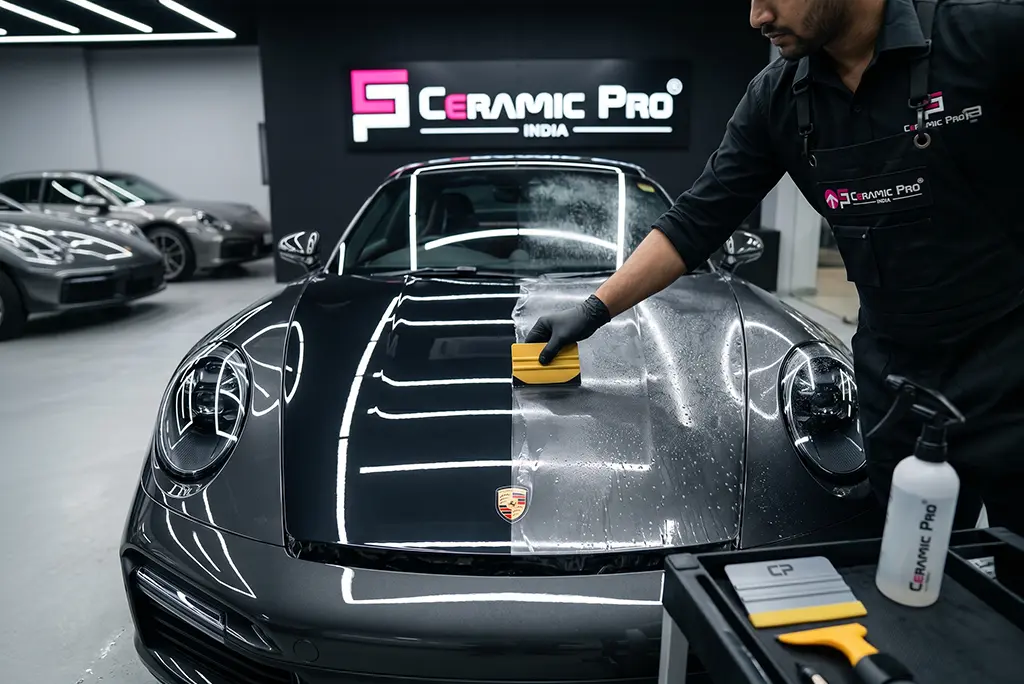
While ceramic coatings protect against environmental contaminants and simplify maintenance, Paint Protection Film is designed primarily to help shield vulnerable surfaces from stone chips and minor physical impacts.

In some cases, vehicle owners may choose to combine both solutions based on their protection requirements.

Professional Application Matters

The effectiveness of any ceramic coating depends significantly on proper surface preparation and installation.

Professional application helps ensure that the coating bonds correctly with the paint surface and performs as intended. Following recommended maintenance guidelines also contributes to long-term results.

Conclusion

Ceramic Pro is a widely used solution for Car Paint Protection due to its ability to provide a protective barrier against environmental contaminants, improve water repellency, support easier maintenance, and help preserve paint appearance. When applied correctly and maintained properly, it can contribute to the long-term care of a vehicle’s exterior. Vehicle owners may also consider Paint Protection Film where additional physical impact protection is required.

FAQ

Most frequent questions and answers

Ceramic Pro is a ceramic coating that creates a protective layer over a vehicle’s paint surface.

It helps protect the paint from contaminants such as dirt, bird droppings, UV rays, and road grime.

Yes, its hydrophobic properties help water and dirt slide off the surface more easily.

No. Paint Protection Film is designed to protect against physical impacts, while Ceramic Pro focuses on surface protection and easier maintenance.

Yes, regular washing and proper care help maintain the coating’s performance and longevity.

Best Car Washing Practices After Ceramic Pro Application

Best Car Washing Practices After Ceramic Pro Application

Best Car Washing Practices After Ceramic Pro Application | Ceramic Pro India

Applying Ceramic Coating helps protect a vehicle’s paint from environmental contaminants, UV exposure, and daily wear. However, proper maintenance remains important after the coating is installed. Following the correct washing techniques helps preserve the coating’s performance and maintain the vehicle’s appearance over time.

Our guide explains the best car washing practices to follow after a ceramic pro application.

Why Proper Washing Matters

A ceramic-coated vehicle still collects dust, dirt, road grime, bird droppings, and other contaminants. While Ceramic Coating creates a protective layer, improper washing methods can reduce its effectiveness and potentially introduce surface defects.

Regular and careful washing helps maintain water-repelling properties and supports the longevity of the coating.

Wait Before the First Wash

After a ceramic pro application, the coating requires time to cure fully.

Vehicle owners should follow the installation center’s recommendations regarding the curing period. During this time, it is advisable to avoid washing the vehicle or exposing it to unnecessary contaminants whenever possible.

The curing period may vary depending on the coating system and environmental conditions.

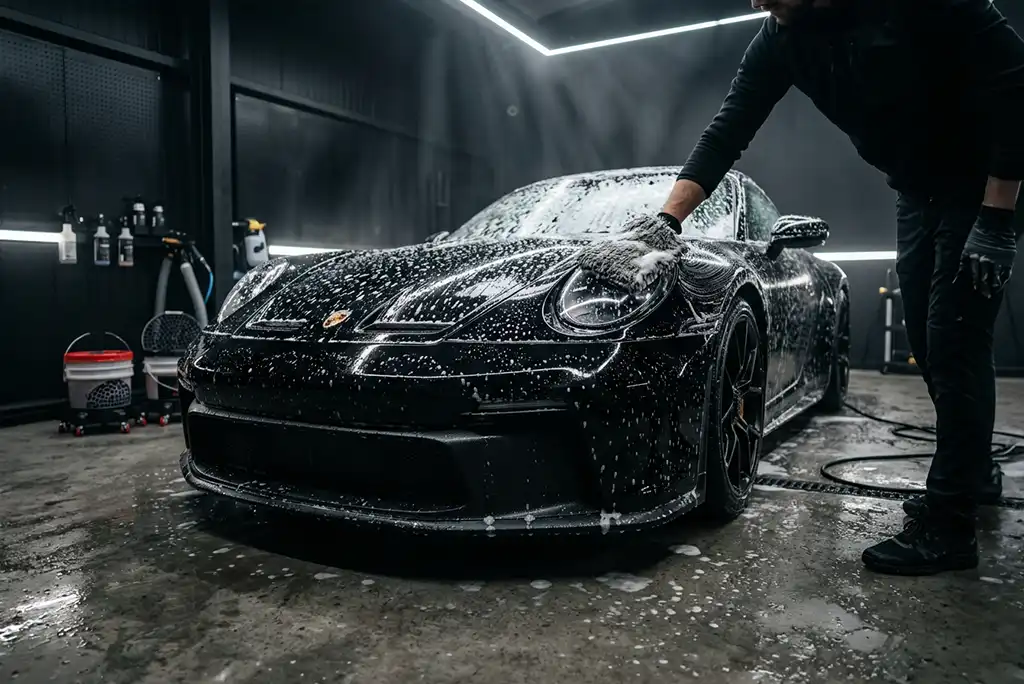
Use the Two-Bucket Wash Method

The two-bucket method is widely recommended for ceramic-coated vehicles.

This method uses:

  • One bucket containing clean water
  • One bucket containing car wash shampoo

The wash mitt is rinsed in the clean water bucket before being dipped back into the shampoo solution. This process helps reduce the transfer of dirt back onto the vehicle’s paint surface.

Choose a pH-Neutral Car Shampoo

Using the correct cleaning products is essential.

A pH-neutral car shampoo is generally recommended for vehicles protected with Ceramic Coating. Harsh detergents or strong chemical cleaners can affect the coating’s surface properties over time.

Always use products designed for coated vehicles whenever possible.

Use Soft Microfiber Wash Mitts

Cleaning tools play an important role in paint care.

Soft microfiber wash mitts help lift dirt from the surface while minimizing the risk of scratches. Avoid abrasive brushes, rough sponges, or low-quality cleaning materials that may cause surface marring.

Separate microfiber cloths should also be used for drying.

Wash from Top to Bottom

The cleanest sections of a vehicle are usually at the top, while lower panels collect more dirt and road contaminants.

Start washing from the roof and work downward. This approach helps prevent dirt from being transferred to cleaner sections of the vehicle.

Pay special attention to wheel arches, lower doors, and bumpers.

Dry the Vehicle Properly

Allowing water to dry naturally can leave mineral deposits and water spots on the surface.

After washing, dry the vehicle using a clean microfiber drying towel or an automotive air blower. Proper drying helps maintain the appearance of the coating and reduces spotting.

Avoid Automatic Brush Washes

Automatic car washes that use rotating brushes may introduce scratches and swirl marks.

Hand washing remains the preferred cleaning method for vehicles protected by ceramic pro products. Touchless wash systems are generally a safer alternative if hand washing is not possible.

Conclusion

Proper maintenance is essential after applying Ceramic Coating. Using pH-neutral shampoos, soft microfiber tools, the two-bucket washing method, and proper drying techniques helps preserve the coating’s performance. Vehicle owners seeking long-term protection should follow recommended maintenance practices and consult their Best ceramic coating center for specific care instructions related to their ceramic pro application.

FAQ

Most frequent questions and answers

Follow the recommended curing period provided by the installer before washing the vehicle.

Use a pH-neutral car shampoo designed for coated vehicles.

Yes, the two-bucket method helps reduce dirt transfer and supports safer washing.

It is best to avoid automatic brush washes, as they may cause scratches or swirl marks.

Microfiber towels help clean and dry the vehicle while minimizing the risk of surface damage.

Paint Protection Film – Understanding Vehicle Surface Protection with Ceramic Pro

Paint Protection Film – Understanding Vehicle Surface Protection with Ceramic Pro

Paint Protection Film -Ceramic Pro

Vehicle exterior protection has become an important part of automotive maintenance and detailing. Daily driving conditions expose vehicles to dust, stone chips, road debris, sunlight, scratches, and environmental contaminants. As a result, many vehicle owners now consider Paint Protection Film as part of long-term paint surface care.

Automotive detailing brands such as Ceramic Pro provide paint protection solutions designed to help preserve vehicle paint and reduce surface damage over time.

What is a Paint Protection Film?

Paint Protection Film (PPF) is a transparent polyurethane film applied to a vehicle’s painted surfaces. The film acts as an additional protective layer between the vehicle paint and external environmental exposure.

PPF is commonly used to help reduce the impact of:

  • Minor scratches
  • Stone chips
  • Road debris
  • Surface stains
  • UV exposure
  • Environmental contaminants

The film is generally applied to high-impact areas of the vehicle that are more exposed during regular driving conditions.

How Paint Protection Film Works

PPF is designed to absorb minor surface impact before it reaches the paint layer underneath. The film creates a protective barrier that helps preserve the original paint finish.

Modern PPF materials are also designed to maintain transparency and surface clarity after installation. Some advanced films may include self-healing properties where light surface marks reduce under heat exposure.

According to official information provided by Ceramic Pro, paint protection systems are engineered to support long-term exterior surface protection and maintain paint quality. (ceramicpro.co.in)

Areas Commonly Protected with PPF

Vehicle owners may choose either partial or full-body PPF installation depending on usage requirements.

Commonly protected areas include:

  • Front bumper
  • Bonnet
  • Headlamps
  • Side mirrors
  • Door edges
  • Fender sections
  • Rear bumper loading area

These areas are more exposed to road impact, scratches, and debris during daily driving.

Some customers also opt for complete body coverage to maintain uniform protection across the vehicle exterior.

About Ceramic Pro

Ceramic Pro operates in automotive detailing and surface protection solutions through authorised application centres.

The company provides:

  • Ceramic coating solutions
  • Paint Protection Film
  • Surface detailing products
  • Automotive paint correction services
  • Interior and exterior protection systems

According to official company information, Ceramic Pro coatings and films are developed for automotive, marine, aviation, and industrial applications. 

The company also offers KAVACA Paint Protection Film systems designed for automotive surface protection.

Paint Preparation Before PPF Installation

Surface preparation is an important step before applying Paint Protection Film. The vehicle surface is generally cleaned and inspected before film installation.

Preparation may include:

  • Exterior washing
  • Paint decontamination
  • Surface polishing
  • Paint correction
  • Panel inspection

Proper preparation helps improve film adhesion and finish consistency.

Professional detailing centres generally follow standardised installation procedures to reduce air gaps, contamination, or uneven application.

Combining PPF with Ceramic Coating

Some vehicle owners combine Paint Protection Film with ceramic coating systems for additional surface protection and maintenance support.

Ceramic coating may be applied over PPF surfaces depending on the product and installation method used. This combination is generally intended to support:

  • Easier cleaning
  • Water repellence
  • Surface gloss enhancement
  • Reduced contamination buildup

Customers are advised to consult authorised detailing centres regarding compatibility between coating and film products.

Maintenance After Paint Protection Film Installation

Vehicle owners are usually advised to follow proper maintenance practices after PPF installation.

General maintenance recommendations may include:

  • Regular exterior cleaning
  • Avoiding abrasive surface cleaners
  • Using recommended detailing products
  • Periodic inspection of film edges and surfaces

Maintenance requirements may vary depending on driving conditions, environmental exposure, and the type of protection package selected.

For pricing, package information, and installation details, customers can visit the showroom or website.

Growing Demand for Automotive Paint Protection

The demand for Paint Protection Film services has increased due to greater awareness about automotive detailing and long-term paint preservation.

Vehicle owners commonly consider PPF for:

  • New vehicles
  • Luxury vehicles
  • SUVs
  • Performance cars
  • Long-distance travel vehicles

Authorised detailing centres now provide integrated paint protection solutions combining PPF, ceramic coating, polishing, and detailing support.

Conclusion

Automotive paint protection has become an important part of vehicle maintenance and exterior care. Paint Protection Film helps create an additional protective layer against scratches, debris, and environmental exposure during regular vehicle usage.

Through its detailing network and surface protection systems, Ceramic Pro continues to provide automotive paint protection solutions including ceramic coating and paint protection film applications across authorised centres.

FAQ

Most frequent questions and answers

Paint Protection Film is a transparent protective layer applied to vehicle paint to help reduce scratches, stone chips, and surface damage.

Ceramic Pro offers Paint Protection Film, ceramic coating, paint correction, and automotive detailing services.

PPF is commonly applied on the bumper, bonnet, mirrors, fenders, headlights, and door edges.

Yes. In many cases, ceramic coating can be applied over PPF depending on the product and installation method.

For pricing and package details, customers can visit the showroom or website.

Best Ceramic Coating Center Near Me – Ceramic Pro

Best ceramic coating center near me – Ceramic Pro

Best Ceramic Coating Center Near Me – Ceramic Pro

Vehicle owners today increasingly focus on long-term paint protection and exterior maintenance. Environmental exposure, road dust, sunlight, water spots, and contaminants can gradually affect a vehicle’s exterior finish over time. As a result, ceramic coating services have become an important part of automotive detailing and surface protection.

Many customers searching for the Best ceramic coating center near me look for professional application standards, certified products, and structured detailing support. Among the recognised names in automotive surface protection, Ceramic Pro operates through authorised detailing and coating networks across India.

What is Ceramic Coating?

Ceramic coating is a liquid polymer-based protective layer applied to a vehicle’s painted surface. Once cured, the coating bonds with the paint surface and creates an additional protective layer.

According to Ceramic Pro, ceramic coatings are designed to create a hydrophobic surface that helps resist contaminants, environmental exposure, and surface damage. ()

Ceramic coatings are commonly used for:

  • Paint surface protection
  • Gloss enhancement
  • Water repellence
  • UV protection
  • Reduced surface contamination
  • Easier cleaning and maintenance

These coatings are widely used across passenger vehicles, luxury cars, SUVs, and commercial vehicles.

About Ceramic Pro

Ceramic Pro is an international nanoceramic coating brand operating in automotive surface protection and paint protection film applications.

The company provides ceramic coating systems, paint protection film (PPF), and detailing products designed for automotive, marine, aviation, and industrial applications. ()

According to official company information, Ceramic Pro coatings are engineered for surfaces such as:

  • Automotive paint
  • Glass
  • Vinyl
  • Plastic surfaces
  • Interior materials

The coating technology is designed to bond at a molecular level to create long-term surface protection. ()

Ceramic Coating Services Offered

Authorised Ceramic Pro detailing centres generally provide:

  • Exterior ceramic coating
  • Paint protection film (PPF)
  • Glass coating
  • Alloy wheel coating
  • Interior surface protection
  • Paint correction and detailing
  • Surface polishing and preparation

Paint preparation is an important part of the ceramic coating process. Surface cleaning, polishing, and paint correction are usually completed before coating application to ensure proper bonding and finish consistency.

Paint Protection Film and Ceramic Coating

Many vehicle owners now combine ceramic coating with paint protection film for additional exterior protection.

According to Ceramic Pro India, KAVACA Paint Protection Film is designed to help protect painted surfaces from abrasion, chemicals, corrosion, and environmental exposure. ()

PPF is commonly applied to:

  • Front bumpers
  • Bonnet areas
  • Side mirrors
  • Door edges
  • High-impact zones

Ceramic coating may also be applied over PPF surfaces depending on the protection package selected.

Authorised Ceramic Pro Detailing Centers

Customers searching for the Best ceramic coating center near me often prefer authorised detailing facilities with trained technicians and standardised application procedures.

Some recognised Ceramic Pro and detailing facilities include:

  • Ceramic Pro Vijayawada
  • Ceramic Pro Vizag – Detailing Studio | Ceramic Coating & PPF Films
  • Ceramic Pro Hyderabad

These facilities provide detailing, paint protection, ceramic coating, and related automotive surface protection services.

Factors to Consider Before Ceramic Coating

Before selecting a ceramic coating service, customers generally evaluate:

  • Surface preparation quality
  • Technician experience
  • Product authenticity
  • Warranty and maintenance support
  • Paint correction process
  • Aftercare requirements

Vehicle owners are also advised to understand maintenance recommendations after ceramic coating application to preserve coating performance over time.

For pricing, package information, and coating specifications, customers can visit the showroom or website.

Why Ceramic Coating Demand is Increasing

The demand for ceramic coating services has increased due to greater awareness regarding automotive paint protection and long-term exterior maintenance.

Many vehicle owners now consider ceramic coating for:

  • Daily-use vehicles
  • Premium cars
  • SUVs
  • New vehicle protection
  • Used vehicle restoration

Detailing studios increasingly provide ceramic coating alongside paint protection film, detailing, and polishing services as part of integrated automotive care solutions.

Conclusion

Automotive ceramic coating services continue to become an important part of vehicle surface protection and maintenance. Customers searching for the Best ceramic coating center near me often look for certified products, trained technicians, and structured detailing support.

With its coating systems, paint protection technologies, and authorised detailing network, Ceramic Pro remains one of the recognised names in automotive surface protection and ceramic coating services across India.

FAQ

Most frequent questions and answers

Ceramic coating is a protective layer applied to a vehicle’s surface to help protect paint from contaminants, UV exposure, and water spots.

Customers usually look for authorised centres with trained technicians, certified products, and proper detailing procedures.

Ceramic Pro provides ceramic coating, paint protection film (PPF), paint correction, detailing, and surface protection services.

Yes. Ceramic coating can be applied on both new vehicles and properly prepared used vehicles.

For pricing and package details, customers can visit the showroom or website.

Paint Protection for Sports Cars: Role of Ceramic Coating

Paint Protection for Sports Cars: Role of Ceramic Coating

Paint Protection for Sports Cars: Role of Ceramic Coating | Ceramic pro India

Introduction

Sports cars often operate under conditions that expose their paint surfaces to environmental and mechanical stress. High speeds, road debris, dust, and sunlight can affect exterior surfaces over time. Protective technologies such as Ceramic Coating and Paint Protection Film are used in automotive detailing to help protect vehicle paint. These solutions are commonly applied by trained installers and service providers, including PPF Dealers In Hyderabad and certified applicators associated with Ceramic Pro India.

Why Paint Protection Is Important for Sports Cars

Sports cars are designed with aerodynamic body panels and specialized paint finishes. These surfaces can be exposed to road particles, insect residues, and airborne contaminants during regular driving.

Protective layers are used to reduce direct exposure of the paint surface to these external elements. In automotive detailing, Ceramic Coating is applied to create a thin protective layer over the clear coat of the vehicle. This layer interacts with the surface at a molecular level and forms a durable protective barrier.

Protective coatings are commonly used on exterior surfaces such as the hood, doors, bumpers, roof panels, and side mirrors.

Understanding Ceramic Coating

Ceramic Coating is a liquid polymer applied to the exterior paint of a vehicle. Once applied and cured, it bonds with the paint surface to form a protective layer.

The coating creates a hydrophobic surface. Water droplets tend to bead and roll off the paint surface. This property can help reduce the accumulation of dirt and water marks.

Ceramic coatings also provide resistance to certain environmental contaminants such as road salts, bird droppings, and tree sap. The coating does not replace the original paint layer but functions as an additional protective surface.

Products distributed through Ceramic Pro India are used by trained installers who follow defined application procedures.

Relationship Between Ceramic Coating and Paint Protection Film

In automotive protection systems, Paint Protection Film and Ceramic Coating may be used together. Paint Protection Film is a transparent thermoplastic urethane film applied to the painted panels of a vehicle.

The film acts as a physical barrier against road debris and minor abrasions. In some installations, ceramic coatings are applied on top of PPF surfaces to improve hydrophobic performance and surface cleanliness.

Installers such as PPF Dealers In Hyderabad may use these combined approaches depending on the protection requirements of the vehicle.

Application Process

The application process begins with surface preparation. The vehicle is washed and decontaminated to remove dirt and residues. Paint correction may be performed to eliminate surface imperfections.

After preparation, the Ceramic Coating is applied evenly across the paint surface using specialized applicators. The coating then undergoes a curing period to allow bonding with the paint layer.

When Paint Protection Film is also used, it is installed before the ceramic coating process.

Conclusion

Paint protection technologies are commonly used to maintain the exterior condition of sports cars. Ceramic Coating forms a bonded protective layer on the paint surface, while Paint Protection Film provides a physical barrier against external damage. These solutions are applied by trained professionals, including PPF Dealers In Hyderabad and installers associated with Ceramic Pro India, using structured preparation and application procedures.

FAQ

Most frequent questions and answers

Ceramic Coating is a liquid polymer applied to a vehicle’s paint surface to form a protective layer over the clear coat.

Paint Protection Film acts as a physical barrier that helps protect the paint from road debris, minor scratches, and environmental exposure.

Yes. Ceramic Coating can be applied over Paint Protection Film to improve surface protection and hydrophobic properties.

These protective systems are installed by trained professionals, including PPF Dealers In Hyderabad.

Yes. Automotive protection products such as Ceramic Coating are available through authorized installers associated with Ceramic Pro India.

What Is Ceramic Pro Shift Color PPF? Features, Benefits, and Installation Guide

What Is Ceramic Pro Shift Color PPF? Features, Benefits, and Installation Guide

What Is Ceramic Pro Shift Color PPF? Features, Benefits, and Installation Guide

Introduction

Ceramic Pro Shift Color PPF is a specialized form of Paint Protection Film designed to protect vehicle paint while also changing the visual appearance of the surface. The film combines protective polyurethane material with color-shifting technology. It is installed on exterior panels to provide both paint protection and a controlled color effect.

Understanding Paint Protection Film

Paint Protection Film is a transparent or colored thermoplastic urethane film applied to the painted surfaces of vehicles. The film forms a protective barrier between the paint and external elements. It helps reduce the impact of road debris, minor scratches, and environmental exposure.

PPF is commonly installed on panels such as the hood, bumpers, side mirrors, fenders, and doors. The film is designed to adhere closely to the surface while maintaining flexibility and durability. Automotive detailing centers and PPF Dealers In Hyderabad install these films using specialized application techniques.

What Is Ceramic Pro Shift Color PPF

Ceramic Pro Shift Color PPF is a color-changing version of paint protection film developed under the Ceramic Pro India product line. The film contains layers that create a color-shift effect when light reflects off the surface. This effect allows the vehicle to display different tones depending on viewing angle and lighting conditions.

The base layer of the film remains a protective polyurethane material similar to other forms of Paint Protection Film. The color-shift layer is integrated within the structure of the film rather than applied as paint.

This design allows the film to provide both surface protection and a visual transformation without altering the original paint underneath.

Key Features of Ceramic Pro Shift Color PPF

Ceramic Pro Shift Color PPF includes several structural features that support its use in automotive applications.

One feature is its multilayer film structure. The film includes a protective polyurethane layer combined with a color-shift layer and a surface topcoat.

The topcoat layer is designed to resist minor surface scratches and environmental exposure. Some versions of the film also include self-healing properties. These properties allow light scratches to become less visible when exposed to heat.

Another feature is optical clarity combined with controlled color transformation. The film changes appearance under different lighting angles while maintaining surface coverage across vehicle panels.

Installers working with Ceramic Pro India products apply the film according to manufacturer guidelines to maintain performance characteristics.

Installation Process

The installation of Paint Protection Film requires careful surface preparation and controlled application steps.

First, the vehicle surface is washed and decontaminated to remove dirt, oil, and residues. Surface preparation may also include paint correction if necessary.

Next, the film is cut to match the vehicle panel dimensions. Installers then apply the film using a slip solution and positioning techniques to align it with the panel surface.

Air pockets and excess moisture are removed during installation to ensure proper adhesion. Many PPF Dealers In Hyderabad use specialized tools and controlled environments to complete this process.

After installation, the film requires a curing period to allow full adhesion to the paint surface.

Conclusion

Ceramic Pro Shift Color PPF combines the protective function of Paint Protection Film with a color-shifting surface effect. The film is applied to vehicle panels to protect the paint while altering the visual appearance. Products distributed by Ceramic Pro India are installed by trained professionals, including PPF Dealers In Hyderabad, using controlled preparation and application procedures.

FAQ

Most frequent questions and answers

It is a type of Paint Protection Film that protects vehicle paint while creating a color-shift effect under different lighting conditions.

Yes. The film forms a protective layer over the paint surface and helps reduce damage from minor scratches, road debris, and environmental exposure.

It is installed by trained professionals such as PPF Dealers In Hyderabad who follow proper surface preparation and application procedures.

Yes. Paint Protection Film is designed to be removable without affecting the original paint when removed correctly.

Yes. The product is distributed through authorized installers associated with Ceramic Pro India.

Matte Finish PPF vs Gloss PPF: Which One Should You Choose?

Matte Finish PPF vs Gloss PPF: Which One Should You Choose?

Matte Finish PPF vs Gloss PPF: Which One Should You Choose

Introduction

Protecting a vehicle’s exterior is essential for maintaining paint condition and surface durability. Paint Protection Film (PPF) is widely used to safeguard automotive paint from scratches, debris, and environmental exposure. Two common variants are matte finish PPF and gloss PPF. Each serves a specific purpose based on surface appearance and application requirements.

What is Paint Protection Film?

Paint Protection Film is a transparent thermoplastic urethane layer applied to a vehicle’s painted surfaces. It acts as a barrier against external elements such as stone chips, road debris, UV exposure, and minor abrasions.

PPF is designed to be flexible and self-healing in certain conditions, allowing minor surface marks to recover with heat. It is commonly applied on high-impact areas such as the hood, bumper, fenders, and side mirrors.

Understanding Gloss PPF

Surface Appearance

Gloss PPF is designed to enhance the original paint finish. It maintains or increases the reflective quality of the surface. The vehicle retains a polished and smooth appearance.

Functional Characteristics

  • Preserves factory paint finish
  • Provides a transparent protective layer
  • Supports hydrophobic properties
  • Helps reduce visible minor scratches

Gloss PPF is typically used when the original paint finish is intended to remain unchanged while adding protection.

Understanding Matte Finish PPF

Surface Appearance

Matte PPF changes the visual finish of the vehicle. It reduces surface reflectivity and creates a satin or matte texture. This alters the overall look without repainting the vehicle.

Functional Characteristics

  • Converts gloss surfaces into matte appearance
  • Maintains consistent finish across panels
  • Provides the same protective properties as standard PPF
  • Reduces glare from external lighting

Matte PPF is applied when a non-reflective finish is required along with surface protection.

Key Differences Between Matte and Gloss PPF

Visual Impact

Gloss PPF maintains the original shine of the paint. Matte PPF modifies the appearance by reducing gloss and creating a uniform satin finish.

Maintenance Considerations

Gloss surfaces generally allow easier cleaning of visible marks. Matte finishes require specific cleaning methods to maintain uniform texture and avoid uneven appearance.

Application Purpose

Gloss PPF is used primarily for protection without altering the look. Matte PPF serves both protective and aesthetic transformation purposes.

Factors to Consider Before Choosing

Existing Paint Finish

Vehicles with factory gloss paint typically use gloss PPF to preserve the original look. Matte PPF is selected when a finish change is intended.

Usage Conditions

Driving conditions, exposure to sunlight, and environmental factors influence long-term performance. Both types of Paint Protection Film are designed to handle typical road conditions.

Maintenance Requirements

Different finishes require different maintenance practices. It is important to follow appropriate cleaning and care methods for each type.

Professional Installation

Proper installation ensures uniform coverage and effective protection. Service providers offering Best PPF In Hyderabad typically follow standardized procedures for surface preparation and application.

Role of Professional Services

Professional application ensures correct alignment, bubble-free installation, and proper edge finishing. Certified providers such as Ceramic Pro India follow structured processes, including surface cleaning, paint correction if required, and controlled application environments.

These steps are necessary to achieve consistent performance and durability of the film.

Application Areas

Both matte and gloss PPF can be applied to:

  • Front bumper
  • Hood and fenders
  • Side mirrors
  • Door edges and handles
  • Rear bumper

Full-body applications are also possible depending on the requirement.

Conclusion

Matte finish and gloss variants of Paint Protection Film differ primarily in surface appearance and application intent. Gloss PPF maintains the original paint finish, while matte PPF alters the visual texture of the surface. Both provide protection against environmental and physical damage when applied correctly. For detailed information on application methods and services, users can visit the official website of Ceramic Pro India.

FAQ

Most frequent questions and answers

Gloss PPF keeps the original shine, while matte PPF gives a non-reflective, satin finish.

Yes, both offer similar protection against scratches, debris, and UV damage.

Yes, it can convert a glossy surface into a matte finish without repainting.

Yes, matte PPF needs specific care to maintain its texture, while gloss PPF is easier to clean.

Yes, professional installation ensures proper fit, finish, and long-lasting protection.

Best Time to Apply Ceramic Coating on Your Car

Best Time to Apply Ceramic Coating on Your Car

Best Time to Apply Ceramic Coating on Your Car 

Introduction

Maintaining a vehicle’s exterior requires protection from environmental factors such as heat, dust, moisture, and contaminants. Ceramic Coating is a surface protection solution applied to a car’s paint to enhance durability and resistance against external elements. Understanding the right time to apply this coating helps ensure effective performance and long-term results.

What is Ceramic Coating?

Ceramic Coating is a liquid polymer applied to a vehicle’s exterior surface. It forms a chemical bond with the paint, creating a protective layer. This layer helps reduce damage caused by UV exposure, oxidation, dirt, and minor abrasions.

The coating also improves surface hydrophobicity, allowing water and contaminants to slide off more easily. This supports easier cleaning and maintenance.

Ideal Time After Purchasing a New Car

Immediately After Delivery

Applying Ceramic Coating soon after purchasing a new vehicle is considered an effective approach. At this stage, the paint surface is relatively new and less exposed to contaminants.

However, even new vehicles may require surface preparation. This includes cleaning, decontamination, and minor correction before applying the coating. Proper preparation ensures better bonding and uniform coverage.

Best Time for Used Vehicles

After Paint Correction

For vehicles that have been in use, applying Ceramic Coating is recommended after paint correction. This process removes swirl marks, oxidation, and minor scratches.

A clean and corrected surface allows the coating to bond effectively. Applying the coating without preparation may seal existing imperfections under the protective layer.

Seasonal Considerations

Moderate Weather Conditions

The application of Ceramic Coating is influenced by environmental conditions. Moderate temperatures and controlled humidity levels are suitable for proper curing.

Extreme heat or high humidity can affect the application process and curing time. Professional facilities typically maintain controlled environments to ensure consistent results.

Before Harsh Weather Exposure

Protection Against Summer Heat

In regions with high temperatures, such as Hyderabad, vehicles are exposed to intense sunlight and UV radiation. Applying Car Coating in Hyderabad before peak summer helps protect the paint from fading and oxidation.

Protection During Monsoon

Monsoon conditions introduce moisture, mud, and road contaminants. Applying coating before this season helps reduce water retention and prevents surface damage.

Frequency and Reapplication Timing

Long-Term Protection

Ceramic Coating is designed to last for an extended period, depending on product quality and maintenance practices. It does not require frequent reapplication.

Regular maintenance, including proper washing techniques and periodic inspection, helps maintain coating performance over time.

Role of Professional Application

Controlled Environment and Process

Professional application ensures proper surface preparation, uniform coating, and controlled curing conditions. This is particularly relevant for Car Coating in Hyderabad, where environmental factors can vary significantly.

Certified service providers such as Ceramic Pro India follow standardized procedures, including multi-stage preparation and application techniques. These processes are designed to achieve consistent and reliable results.

Key Factors to Consider Before Application

  • Surface condition of the vehicle
  • Environmental conditions during application
  • Availability of controlled indoor facilities
  • Professional expertise and equipment
  • Proper post-application curing time

These factors influence the effectiveness and durability of the coating.

Conclusion

The best time to apply Ceramic Coating depends on the vehicle’s condition, environmental factors, and preparation process. New cars benefit from early application, while used vehicles require prior surface correction. Seasonal timing and controlled application conditions also play an important role. For detailed information or to schedule a service, users can visit the official website of Ceramic Pro India.

FAQ

Most frequent questions and answers

It is best applied soon after delivery, after proper surface cleaning and preparation.

Yes, but only after paint correction to remove scratches and surface defects.

Yes, moderate temperature and controlled humidity are ideal for proper curing.

It lasts for several years depending on maintenance and usage conditions.

Yes, professional application ensures proper preparation, even coating, and long-lasting results.

Why Premium Car Owners Prioritise Paint Protection Early

Why Premium Car Owners Prioritise Paint Protection Early

Why Premium Car Owners Prioritise Paint Protection Early

Premium car owners often choose to protect a vehicle’s exterior soon after purchase. Early protection focuses on preserving the factory finish and reducing future maintenance. Below are clear, factual reasons why this approach is common among owners of high-value vehicles.

Preserve the factory finish

New cars leave the factory with a painted surface that reflects careful finishing and polishing. Early protection reduces the risk of damage from stones, insects, bird droppings, and airborne contaminants. A protective layer helps maintain the original gloss and clear coat. This keeps the exterior closer to showroom condition for longer.

Reduce long-term maintenance

Surface wear from weather and road debris increases the need for polishing and paint correction. A protective film or coating lowers the frequency of abrasive treatments. This can reduce the chance that the clear coat will need heavy correction later. Owners often choose protection early to limit repeated mechanical polishing.

Shield against environmental factors

Weather in many regions includes strong sunlight, acid rain, dust, and road salt. These factors accelerate paint oxidation and fading. A protection layer provides a barrier that slows UV degradation and chemical staining. This barrier helps the paint retain colour and gloss under harsh environmental conditions.

Minimise stone chip and scratch damage

Small impacts from road debris cause chips and micro-scratches on exposed panels. Applied protection absorbs or deflects many such impacts before they reach the paint. This is especially useful on leading edges such as the bonnet, bumper, mirrors, and door sills. Early application reduces the area needing touch-up repairs over time.

Maintain resale presentation and documentation

Buyers and trade professionals often judge a used car by visible exterior condition. A well-documented protection history provides verifiable evidence that the car was cared for from the start. Protective layers that retain gloss and limit defects help present the car with fewer surface issues at the time of sale.

Types of protection used early

Owners generally select from two main categories of surface protection:

  • Paint film: a transparent urethane film applied to panels to resist chips and scratches. This is often called PPF.
  • Surface coatings: chemical treatments that bond to the clear coat to create hydrophobic and chemical-resistant properties. Industry-certified products and systems exist for this purpose. One established network in India is Ceramic Pro India.

Both approaches are used individually or in combination, depending on the owner’s priorities and budget.

Application timing and ease

Applying a protective film or a bonded coating is simpler and more effective on a new or well-corrected surface. Paint defects reduce the usefulness of any protective layer. Early application limits the need for prior paint correction and helps installers achieve a smooth bond.

Costs and service considerations

The initial cost varies with product choice, vehicle size, and surface preparation. Professional application typically includes panel cleaning, paint correction if needed, and warranty coverage. Owners should consider the total installed cost, not just the product price, when planning protection.

For local service, searches for PPF Dealers In Hyderabad or queries like PPF Installers Near Me can help locate certified installers and showrooms. Certification, documented warranty, and clear service terms are important selection criteria.

Maintenance after application

Protected surfaces still need regular washing with non-abrasive methods. Use of pH-neutral shampoos, soft wash mitts, and two-bucket techniques prolongs coating life. Periodic inspection and authorised maintenance help retain the protective properties and warranty validity.

Conclusion

Early paint protection is a practical measure for premium car owners. It preserves factory finish, reduces corrective maintenance, and supports better resale presentation. Owners should choose professional providers, confirm warranty coverage, and follow recommended maintenance. For accurate pricing and options, request detailed quotes that include surface preparation and post-installation care.

FAQ

Most frequent questions and answers

They apply protection early to preserve the factory finish and reduce long-term paint damage.

PPF (Paint Protection Film) is a transparent film applied to the car’s surface to protect against chips and scratches.

Paint Protection Coating is a chemical layer applied over the paint to provide gloss, water resistance, and chemical protection.

You can search for certified PPF Dealers In Hyderabad or look up PPF Installers Near Me for nearby professionals.

Yes, Ceramic Pro India is an established network offering professional surface protection solutions.

How Ceramic Coating Helps Maintain Resale Value in Indian Conditions

How Ceramic Coating Helps Maintain Resale Value in Indian Conditions

How Ceramic Coating Helps Maintain Resale Value in Indian Conditions

Ceramic coatings are a popular protective treatment for vehicle paint. In India, vehicles face strong sunlight, dust, heavy rains and frequent washing. These conditions can accelerate paint wear. A correctly applied ceramic coating helps slow surface deterioration and makes routine care easier. Below are clear facts about how this treatment supports resale value in Indian conditions.

What ceramic coating does for a car

A ceramic coating forms a thin, inorganic layer bonded to the vehicle’s clear coat. It provides a hydrophobic surface that repels water and many contaminants. The coating reduces the chance that dust, bird droppings, tree sap or road grime will adhere strongly to paint. It also adds resistance to chemical staining from acidic residues and brake dust. These properties mean the exterior stays cleaner between washes and requires less aggressive cleaning.

Key effects on the surface:

  • Water and dirt bead off more easily.
  • Light surface contamination removes with gentle washing.
  • Clear coat gets an added barrier against environmental contaminants.

How this helps resale condition

When a car is presented for sale, paint condition and surface gloss are major visual cues for buyers. A well-maintained exterior creates an impression of overall care. Because ceramic coatings help preserve gloss and reduce micro-contamination, they support better-looking paint months and years after application. This can:

  • Lower the visible signs of aging on body panels.
  • Reduce the need for frequent polishing or paint correction.
  • Offer documented evidence of protective treatment in service records.

Sellers who can show a maintained protective layer and service history often present the vehicle with fewer visible defects. This can simplify pre-sale preparation and present a stronger visual case to buyers.

Durability and realistic expectations

Ceramic coatings vary by formulation and application method. Professional-grade coatings bond more strongly and last longer than most consumer DIY products. Longevity depends on product grade, environmental exposure, and maintenance routine. Typical ranges:

  • Entry-level consumer coatings: months to 1 year.
  • Professional single-layer coatings: 1–3 years.
  • Multi-layer professional systems: 3–7 years or more.

Avoid claims that a coating makes paint scratch-proof. Ceramic coatings add surface hardness and chemical resistance but do not prevent deep scratches or dents. Regular wash routines still matter.

Maintenance requirements in India

Proper maintenance prolongs coating performance. Basic steps include:

  • Wash with a pH-neutral shampoo and a soft mitt.
  • Use two-bucket or foam-gun methods to reduce abrasion.
  • Avoid automated brushes that can cause micro-scratches.
  • Perform gentle decontamination (clay or iron remover) when needed.
  • Reapply booster or maintenance spray as recommended by the product maker.

Documentation of maintenance and professional inspections can add credibility when selling the car.

Cost considerations

The investment for a ceramic coating varies by product and workshop. Factors include surface preparation (decontamination and paint correction), number of coating layers, and brand reputation. Typical professional ranges start at modest prices and increase with premium systems and multi-layer applications. For an estimate, check local rates for Ceramic Coating Price and factor in surface prep costs.

Choosing a provider in India

Professional installation by trained technicians ensures proper bonding and longevity. Branded service networks and certified installers provide warranties or service programs for some products. For buyers in Hyderabad or other Indian cities, search for certified outlets and read customer reviews. Look for authorised providers associated with well-known systems such as Ceramic Pro India. For local searches, terms like Best Ceramic Coating In Hyderabad can help identify reputable studios.

Final factual note

Ceramic coating is a surface protection that can slow visible paint aging and reduce cleaning effort under Indian environmental stresses. It does not replace careful driving or structural maintenance. When combined with routine care and proper documentation, a professional ceramic coating can help present a vehicle in better cosmetic condition at the time of resale.

FAQ

Most frequent questions and answers

Ceramic Coating is a protective layer applied to a car’s paint to guard against dirt, water, and environmental damage.

No, it adds surface resistance but does not make the paint completely scratch-proof.

Depending on the product and maintenance, it can last from 1 year to 5 years or more.

The Ceramic Coating Price depends on the brand, number of layers, and surface preparation required.

You can search for certified studios offering Best Ceramic Coating In Hyderabad, including authorised providers of Ceramic Pro India products.