
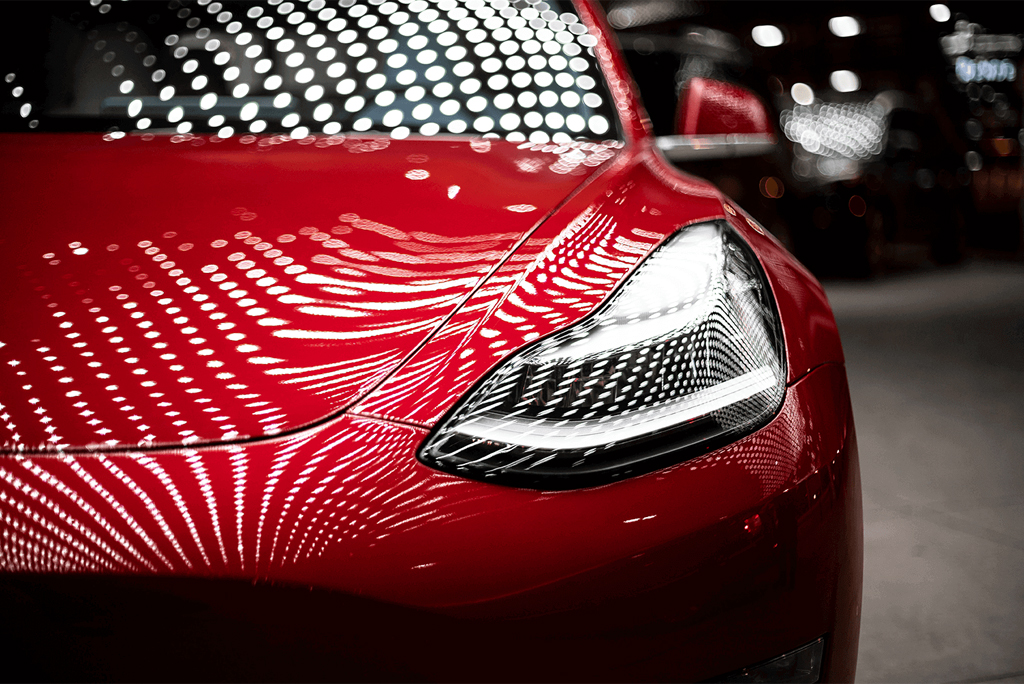
Car ownership in 2025 demands more than basic maintenance. Urban pollution, harsh weather, and frequent washes take a toll on vehicle exteriors. Nano ceramic coating emerges as a game-changer, offering superior defense over traditional waxes. Developed from nanotechnology, it forms a semi-permanent bond with paint, creating a hard, flexible shield. Industry reports from the International Automotive Detailing Association highlight its rise, with adoption up 40% in India last year. This shift reflects owners’ focus on longevity and low upkeep.
Superior Durability Against Daily Wear
Traditional polishes fade quickly, requiring monthly reapplication. In contrast, a nano ceramic coating lasts 2-5 years, resisting scratches and chips from road debris. Its SiO2-based formula achieves a 9H hardness rating, per ASTM standards, making it tougher than wax.
For Indian roads, where gravel and monsoons prevail, this durability cuts repair costs by 30%, according to J.D. Power surveys. Owners report fewer swirl marks after automated car washes, preserving factory paint integrity.
Simplified Cleaning and Hydrophobic Properties
Water beading is a hallmark of effective protection. Ceramic coating for cars repels liquids, preventing water spots and mineral buildup. Droplets roll off at angles above 110 degrees, reducing drying time by half.
This feature simplifies routine care. A gentle rinse suffices for most dirt, minimizing abrasive scrubbing. Detailing experts at the Society of Automotive Engineers note that hydrophobic surfaces trap 70% less grime, easing car detailing efforts.
Enhanced Shine and Color Preservation
Modern coatings deliver a glass-like gloss that amplifies paint depth. Paint protection via nano layers blocks UV rays, preventing oxidation and fading. Vehicles treated early retain 95% of original vibrancy after three years, per Consumer Reports tests.
In sunny climates like India’s, this preserves resale value—coated cars fetch 15-20% more on secondary markets. The result is a showroom-ready look without constant polishing.
Resistance to Environmental Hazards
Pollutants, bird droppings, and tree sap etch unprotected surfaces. A quality nano ceramic coating creates a chemical barrier, neutralizing acids and alkalis. It withstands temperatures from -50°C to 250°C, ideal for extreme weather.
In coastal or industrial areas, it combats salt and emissions effectively. Environmental studies from the EPA show coated vehicles emit fewer volatile compounds during cleaning, aligning with green ownership trends.
Long-Term Value and Professional Application
Upfront costs can be high, but savings accrue over time. Reduced washing frequency lowers water use by 50%, per eco-audits. Professional installation ensures even coverage, avoiding bubbles or peeling.
In India, best ceramic coating India options like Ceramic Pro coating set benchmarks with lifetime warranties on select packages. Certified applicators use infrared curing for optimal bonding.
The Shift Toward Ceramic Pro in India
Owners increasingly choose Ceramic Pro India for its proven track record. This U.S.-developed formula, available via authorized centers, offers nine-layer protection. User data from 2024 shows 85% satisfaction in hydrophobicity and gloss retention.
Switching to nano ceramic coating isn’t just a trend—it’s a practical upgrade. It safeguards investments while simplifying life. For tailored advice, consult local experts. Your car will thank you with years of effortless brilliance.